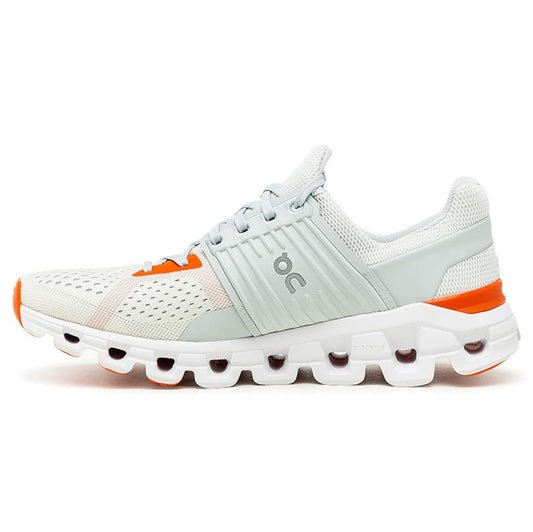
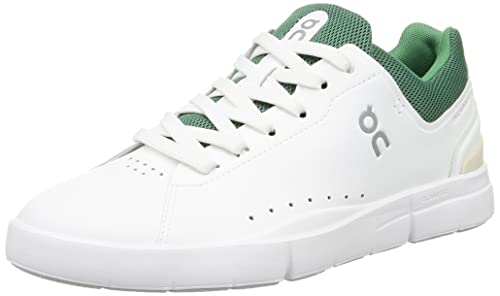
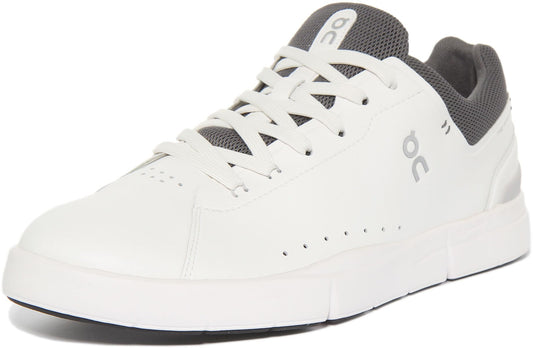
Are On Cloud Shoes Good for Posterior Tibial Tendon Dysfunction?
Yes — certain On Cloud models can help reduce strain from Posterior Tibial Tendon Dysfunction (PTTD) by improving arch stability and limiting excessive inward foot roll.
Posterior Tibial Tendon Dysfunction typically causes:
- Pain along the inside of the ankle
- Arch collapse
- Swelling behind the inner ankle bone
- Progressive flat foot development
Because the posterior tibial tendon supports the arch and stabilizes the ankle, overpronation significantly increases strain.
Shoes that provide strong arch control and stability are critical.
What Causes Posterior Tibial Tendon Dysfunction?
Common contributors include:
- Overpronation
- Flat feet
- Weak arch support
- Sudden mileage increases
- Worn-out midsoles
- Long hours on hard surfaces
When the foot collapses inward repeatedly, the tendon becomes overloaded.
Correcting alignment reduces cumulative strain.
🏆 Best On Cloud Models for PTTD
🥇 Cloudflyer 5 — Best Overall for PTTD Stability
Check Price on Amazon (Cloudflyer 5)
Best For: Flat feet and severe overpronation
- Reinforced arch support
- Strong pronation correction
- Structured heel containment
- Stable platform geometry
If PTTD is present, stability is the top priority. The Cloudflyer 5 provides the strongest structured control in the lineup.
🥈 Cloudrunner 3 — Best Moderate Stability Option
Check Price on Amazon (Cloudrunner 3)
Best For: Mild to moderate tendon strain
- Balanced cushioning
- Moderate pronation guidance
- Durable midsole integrity
Offers stability without excessive rigidity.
🥉 Cloudmonster 2 — Best for Combined Impact + Stability Needs
Check Price on Amazon (Cloudmonster 2)
Best For: Hard surfaces and long standing
- Deep Helion™ cushioning
- Wide stable base
- Strong shock absorption
Useful when tendon strain coexists with impact-driven discomfort.
Cloudsurfer Max — Best for Long-Distance Walking
Check Price on Amazon (Cloudsurfer Max)
- Smooth rocker transition
- Reduced loading spikes
- Efficient heel-to-toe flow
Helps reduce repetitive ankle loading during long sessions.
Stability vs Cushioning for PTTD
If Severe Arch Collapse Is Present:
Choose maximum stability.
→ Cloudflyer 5
If Mild Instability:
Choose moderate stability.
→ Cloudrunner 3
If Impact Also Contributes:
Choose cushioning + stability blend.
→ Cloudmonster 2
Check Price on Amazon (Cloudflyer 5)
Surface Considerations
- Concrete → Stability + cushioning required
- Asphalt → Stability priority
- Carpet → Moderate support sufficient
Hard surfaces accelerate tendon fatigue.
Signs Your Shoes May Be Worsening PTTD
- Increased arch fatigue
- Inner ankle swelling
- Visible inward ankle roll
- Shoes feel unstable
Replacing worn midsoles and improving arch support often reduces strain significantly.
FAQs
Which On shoe is best for Posterior Tibial Tendon Dysfunction?
Cloudflyer 5 for severe overpronation, Cloudrunner 3 for moderate cases.
Does stability reduce posterior tibial strain?
Yes — controlling inward collapse lowers tendon stress.
Is cushioning alone enough for PTTD?
Not if arch instability is the primary cause.
Are On shoes good for flat feet with ankle pain?
Yes — especially stability-focused models.
Final Verdict
For Posterior Tibial Tendon Dysfunction, stability is the top priority.
- Severe arch collapse → Cloudflyer 5
- Moderate instability → Cloudrunner 3
- Combined impact + instability → Cloudmonster 2
- Long-distance walking fatigue → Cloudsurfer Max
Matching structured stability with appropriate cushioning reduces posterior tibial tendon strain and supports long-term ankle health.
Check Price on Amazon (Cloudflyer 5)