What Are the Best On Shoes for Recovery After a Knee Injury?
The best On shoes for recovery after a knee injury are models that reduce joint compression, provide stable alignment, and maintain cushioning integrity during long walking sessions.
For most people recovering from knee injuries:
- Impact-related recovery → maximum cushioning is critical.
- Alignment-related recovery → structured stability is essential.
The right shoe depends on whether your injury was caused by overload or instability.
Quick Overview Table
| Model | Best For | Stability | Cushioning | Recovery Rating |
|---|---|---|---|---|
| Cloudmonster 2 | Compression recovery | Neutral | Maximum | 9.8/10 |
| Cloudflyer 5 | Alignment recovery | Strong | Balanced | 9.6/10 |
| Cloudrunner 3 | Gradual return to activity | Moderate | Protective | 9.5/10 |
Why Footwear Matters During Knee Injury Recovery
After a knee injury, your joint is often sensitive to:
- Vertical compression
- Rotational instability
- Hard-surface impact
- Prolonged standing
- Weak surrounding musculature
Shoes must:
- Reduce ground reaction force
- Maintain structural alignment
- Prevent inward knee collapse
- Provide stable, predictable movement
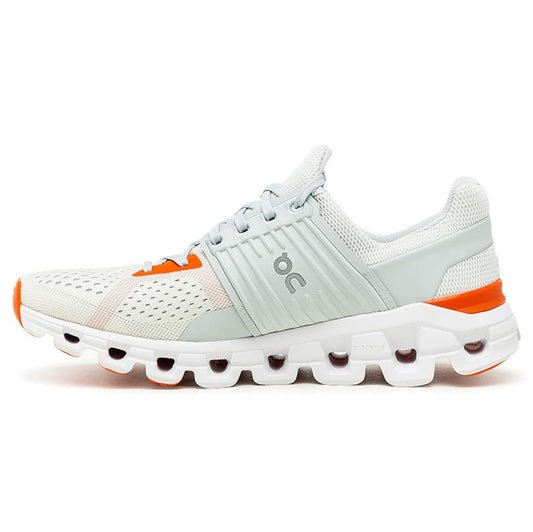
🏆 Cloudmonster 2 — Best for Compression-Driven Recovery
Check Price on Amazon (Cloudmonster 2)
Why It Works
- Extra-thick Helion™ superfoam
- Deep CloudTec® cushioning
- High-stack shock absorption
- Wide stable platform
For recovery after cartilage irritation, meniscus strain, or overload injuries, maximum cushioning reduces cumulative joint stress.
Best For
- Recovery from impact injuries
- Concrete floor walking
- Long standing shifts
- Heavy walkers
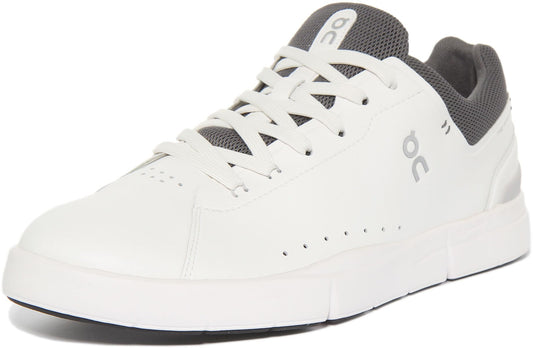
🏆 Cloudflyer 5 — Best for Alignment-Driven Recovery
Check Price on Amazon (Cloudflyer 5)
Why It Works
- Reinforced arch support
- Strong pronation control
- Structured heel containment
- Dual-density midsole
If your injury was caused or worsened by overpronation or knee collapse, stability correction is critical.
Best For
- ACL rehab support
- Patellar tracking issues
- Inward knee collapse
- Pelvic instability
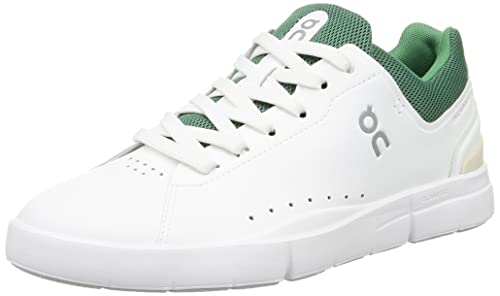
🏆 Cloudrunner 3 — Best for Gradual Return to Activity
Check Price on Amazon (Cloudrunner 3)
Why It Works
- Balanced Helion™ cushioning
- Structured support without rigidity
- Smooth rocker geometry
- Controlled flexibility
Ideal for transitioning from physical therapy back to daily walking or light running.
Best For
- Post-PT walking
- Low-impact activity
- Gradual mileage rebuilding
Cushioning vs Stability During Recovery
If pain increases with:
- Hard surfaces
- Long standing
- Step count accumulation
→ Cushioning matters most (Cloudmonster 2).
If pain increases with:
- Inward knee rotation
- Instability
- Uneven ground
→ Stability matters most (Cloudflyer 5).
What to Avoid During Knee Recovery
Avoid shoes that:
- Feel unstable or narrow
- Have worn-down midsoles
- Lack structural support
- Are overly minimal
Joint recovery requires protection and predictability.
Pros and Cons of On for Recovery
Pros
- Durable Helion™ foam
- Structured landing geometry
- Wide stable platforms
- Reliable long-term cushioning
Cons
- Some models may feel firmer than ultra-soft brands
- Stability models may feel structured for neutral users
FAQs
Are On shoes good for knee injury recovery?
Yes — especially models with strong cushioning and stability systems.
Which model is safest for post-injury walking?
Cloudmonster 2 for compression recovery.
Cloudflyer 5 for structural recovery.
Can I run in them during recovery?
Only after clearance from a medical professional and gradual reintroduction.
Are they good for physical therapy walking?
Yes — particularly Cloudrunner 3 for structured but balanced support.
Final Expert Verdict
The best On shoe for recovery after knee injury depends on the cause of your pain.
- Compression overload → Cloudmonster 2
- Alignment instability → Cloudflyer 5
- Gradual return to activity → Cloudrunner 3
Matching cushioning and structure to your recovery stage is critical for protecting the joint and preventing reinjury.
Check Price on Amazon (Cloudmonster 2)