What Are the Best On Cloud Shoes for Knee Pain From Impact Stress?
If your knee pain worsens during running, long walks, or standing on hard surfaces, impact stress may be the primary cause.
Every step creates ground reaction force.
When cushioning is insufficient:
- Force transfers through the foot
- The tibia absorbs stress
- The knee joint compresses
- Inflammation increases
The right On Cloud shoe reduces impact load and protects the joint.
For a full breakdown of recommended models, see our guide on Best On Cloud Shoes for Knee Pain.
What Causes Impact-Related Knee Pain?
Impact stress is common in:
- Marathon training
- Downhill running
- Concrete floors
- Warehouse work
- High body weight
- Worn-out shoes
Repetitive compression gradually irritates cartilage and connective tissue.
Reducing force transfer is critical.
For more on how shock absorption affects knee pain, check out our guide on shock absorption and knee pain.
What to Look for in On Shoes for Impact Stress
✔ Maximum cushioning
✔ Wide stable base
✔ Durable midsole foam
✔ Smooth heel-to-toe transition
✔ Consistent shock absorption
Avoid:
🚫 Thin midsoles
🚫 Minimalist racing flats
🚫 Old compressed shoes
Durability matters more than initial softness.
Best On Cloud Shoes for Impact-Related Knee Pain
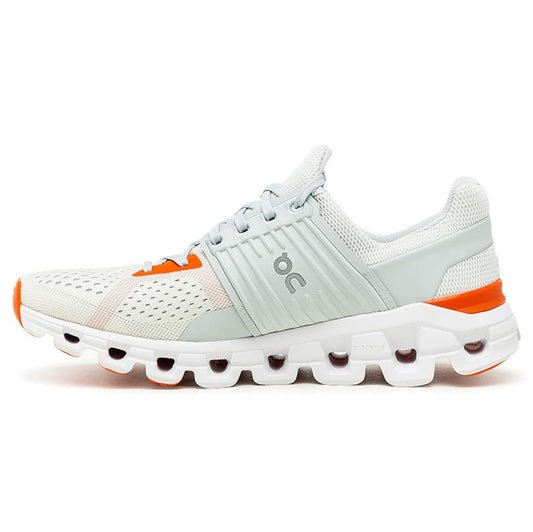
1️⃣ On Cloudmonster 2 (Best Maximum Cushion Option)
See On Cloudmonster 2 on Amazon
Why it works:
- High-volume CloudTec® cushioning
- Excellent impact absorption
- Wide stable geometry
- Ideal for high mileage
Best For: Joint compression and repetitive stress.
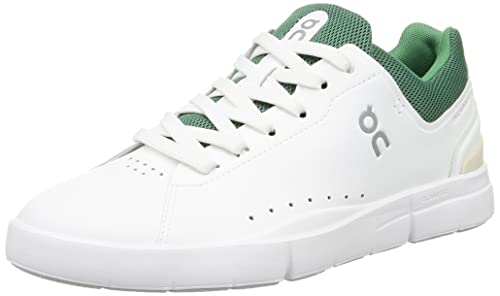
2️⃣ On Cloudsurfer (Smooth Neutral Cushioning)
Why it works:
- Fluid ride
- Balanced cushioning
- Comfortable for walking and light running
Best For: Neutral gait with mild-to-moderate impact pain.
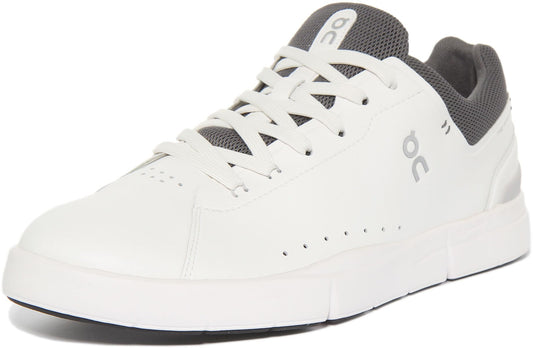
3️⃣ On Cloudrunner 3 (Balanced Cushion + Stability)
See On Cloudrunner 3 on Amazon
Why it works:
- Stability support
- Controlled cushioning
- Wide platform
Best For: Impact stress combined with overpronation.
How Do You Know Impact Is the Cause?
Impact-related knee pain typically:
- Worsens during activity
- Improves with rest
- Feels like compression or soreness
- Increases on hard surfaces
If alignment is not the main issue, cushioning often helps quickly.
When Should You Replace Shoes?
Replace every 300–500 miles.
Signs of worn cushioning:
- Flattened midsole
- Reduced bounce
- Increased joint discomfort
Old shoes amplify impact stress.
Final Verdict
Impact stress is one of the most common causes of knee pain.
To reduce discomfort:
- Maximize cushioning.
- Maintain stability.
- Replace shoes on time.
Best maximum cushion: Cloudmonster 2.
Best smooth neutral ride: Cloudsurfer.
Best balanced option: Cloudrunner 3.
Absorb force.
Protect cartilage.
Reduce repetitive compression.
Cloudmonster 2: Check Price on Amazon
Cloudsurfer: Check Price on Amazon
Cloudrunner 3: Check Price on Amazon