Are On or New Balance Better for Patellar Tendonitis?
Both On and New Balance offer shoes that may help reduce patellar tendon strain — but they differ in cushioning feel and stability design.
- On blends shock absorption with structured support
- New Balance emphasizes firm stability and traditional arch control
If your patellar tendon pain is driven by repetitive impact, cushioning depth matters most.
If it's driven by inward knee tracking or instability, structured pronation control is critical.
The better option depends on what is stressing your tendon.
Understanding Patellar Tendon Mechanics
Patellar Tendonitis (Jumper's Knee) typically involves:
- Pain below the kneecap
- Strain during jumping or running
- Increased pain with stairs
- Impact-related irritation
Every heel strike creates vertical loading that transfers through the patellar tendon.
Reducing that load reduces inflammation risk.
Cushioning for Tendon Protection
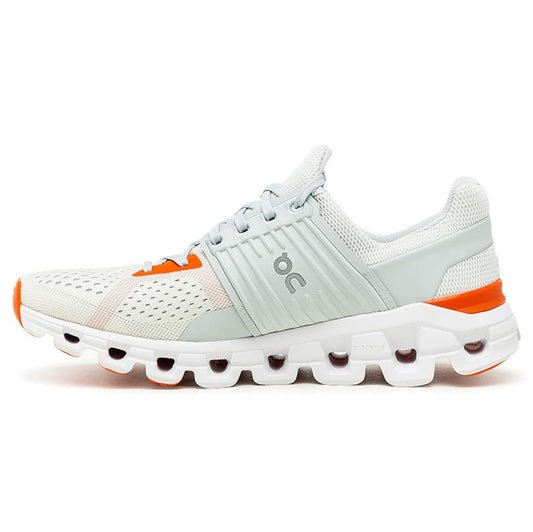
On Cloudmonster 2 provides:
Check Price on Amazon (Cloudmonster 2)
- Deep Helion™ cushioning
- Thick CloudTec® pods
- Wide landing base
This reduces vertical compression — critical when tendon irritation is impact-driven.
New Balance offers durable midsoles, though many models feel firmer underfoot.
Stability for Patellar Tracking
If tendon irritation is linked to:
- Overpronation
- Inward knee collapse
- Patellar misalignment
On Cloudflyer 5 offers strong structural support.
Check Price on Amazon (Cloudflyer 5)
New Balance stability models also provide firm arch support and pronation control.
The difference is ride feel — On often feels more responsive, while New Balance may feel denser.
For Moderate Activity Levels
On Cloudrunner 3 provides balanced cushioning and moderate stability.
Check Price on Amazon (Cloudrunner 3)
It offers versatility for mixed walking, standing, and light training.
When to Choose On for Patellar Tendonitis
- ✔ You want deep shock absorption
- ✔ You prefer lighter ride feel
- ✔ You need balanced cushioning + stability
- ✔ You stand long hours in addition to training
When to Choose New Balance for Patellar Tendonitis
- ✔ You prefer firm structured stability
- ✔ You use orthotics
- ✔ You have severe overpronation
- ✔ You prefer traditional support geometry
FAQs
Is On better than New Balance for Patellar Tendonitis?
If impact loading is the main trigger, On's cushioning may feel more protective. For firm traditional stability, New Balance remains strong.
Does cushioning reduce tendon strain?
Yes — reducing vertical load lowers patellar tendon stress.
Do I need stability for Jumper's Knee?
If instability contributes to misalignment, stability helps.
Are On shoes softer than New Balance?
Generally yes — On blends cushioning with structured support.
Final Verdict
For Patellar Tendonitis, both On and New Balance can help depending on your biomechanical needs.
- Impact-driven tendon strain → On Cloudmonster 2
- Alignment-related tendon irritation → On Cloudflyer 5 or New Balance stability models
- Mixed mechanics → On Cloudrunner 3
Choosing the right cushioning and stability balance is key to reducing patellar tendon stress.
Check Price on Amazon (Cloudmonster 2)